
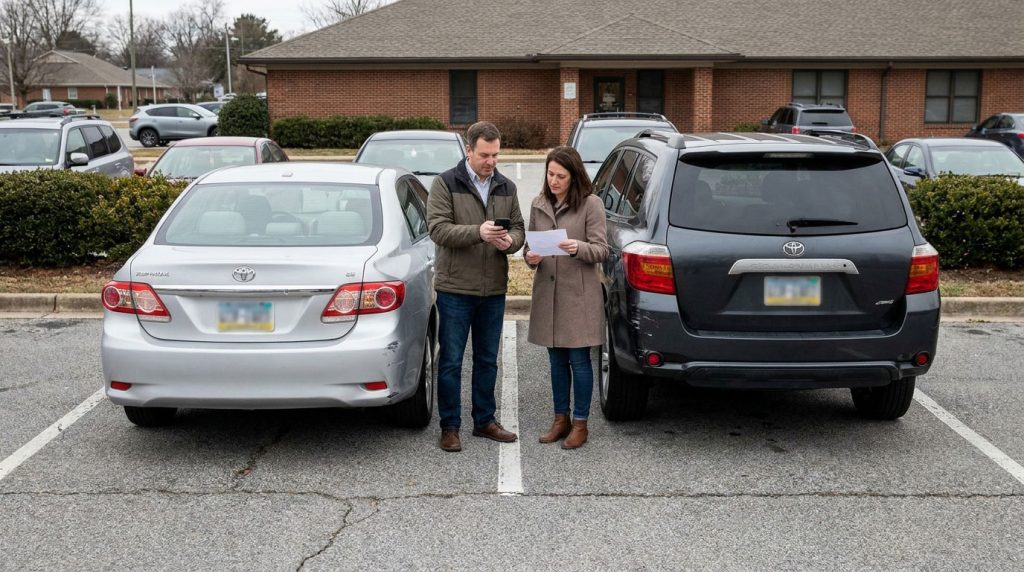
Knowing what to do after a car accident starts with a clear order: check for injuries, get emergency help when needed, and avoid further danger. Once everyone is safe, exchange information, document the collision, and contact your insurer. You do not need to settle questions about fault at the roadside.
This checklist also addresses a timely concern: towing scams. A June 2026 California consumer-protection announcement described a predatory towing investigation involving unsolicited trucks and excessive storage charges. Knowing who is collecting your vehicle matters alongside knowing what information to collect.
1. Check for Injuries and Make the Scene Safer
Call for Help Before Collecting Evidence
Stop and check yourself and your passengers. Call 911 if anyone is injured, trapped, or facing immediate danger. Describe your location, the vehicles involved, and any hazards. Follow the dispatcher’s instructions. The American Red Cross first-aid steps emphasize checking scene safety and providing care appropriate to your training.
Avoid Unnecessary Movement
Avoid unnecessary movement when a head, neck, or spinal injury is possible. Do not move an injured passenger simply to exchange details. An immediate threat, such as fire, can require urgent action. Tell the dispatcher about the danger and follow instructions.
If your vehicle is drivable and moving it is safe and permitted, pull out of traffic. Turn on hazard lights. Do not step into moving traffic for photographs. The NAIC’s post-crash guidance stresses that you should not exit your vehicle when doing so is unsafe.
2. Contact Police and Exchange Essential Information
Contact the appropriate police agency and explain what happened. Use 911 for emergencies; for a minor collision without immediate danger, ask the local nonemergency service how to report it. If officers respond, request the incident number and instructions for obtaining the report. Do not assume every minor crash will receive an on-scene response.
Collect names, contact details, insurance information, license plates, and vehicle descriptions. Exchange any additional identification required locally. Ask witnesses for contact details. The Texas Department of Insurance’s accident checklist also recommends noting the time, location, weather, and what happened.
Be factual and courteous. Explain what you observed without guessing at speeds, distances, or responsibility. Keep personal records private rather than posting them online.
3. Photograph Damage and Preserve Digital Evidence
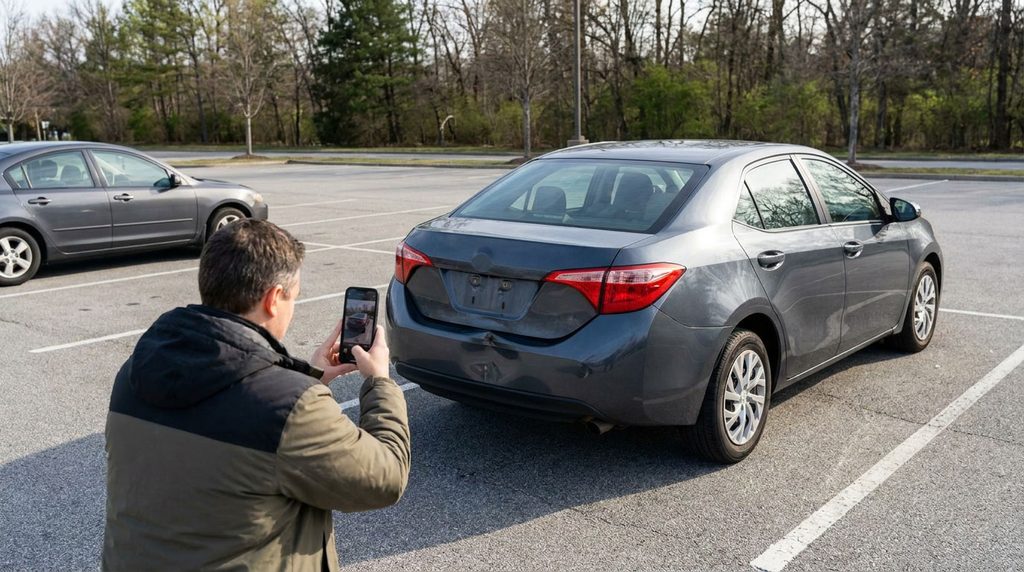
When it is safe, photograph damage to all involved vehicles, their license plates, road markings, nearby signs, and relevant road conditions. Take wider views for context and closer views of damage. Never delay necessary medical care or remain in traffic to get a better picture.
Save Dashcam Footage Before It Is Overwritten
Once safely parked, follow your camera’s instructions to protect the recording. Garmin’s dashcam guidance explains that saving footage can prevent overwriting and recommends transferring saved video to separate storage. Controls and retention settings differ between devices.
Keep an unchanged original and a separate backup. NIST’s digital-evidence preservation guidance emphasizes retaining formats that preserve the most data. Save the surrounding footage, not just a screenshot of the impact. Write down what each file shows while your recollection is fresh.
4. Verify the Tow Truck Before Agreeing
Do not assume a truck arriving quickly was sent by police or your insurer. Confirm the company’s identity with whoever arranged the tow. The National Insurance Crime Bureau’s towing guidance identifies unsolicited, high-pressure offers and hidden fees as warning signs.
Before authorizing a voluntary tow, ask for the destination, towing charge, storage rate, and other fees in writing. Read the authorization and retain a copy. For a police-directed tow, follow officers’ instructions and ask where the vehicle is going.
The Texas insurance regulator’s scam-prevention advice recommends verifying the operator, reading documents, and obtaining a receipt. A promise of a “free tow” is not a substitute for clear written terms.
5. Notify Your Insurer and Ask Specific Questions
Report the accident promptly through the number on your insurance card or your insurer’s verified website or app. Provide accurate information and ask about applicable notification requirements. Avoid assuming there is one nationwide deadline for every policy.
The NAIC’s auto-claim guidance recommends cooperating with the adjuster and keeping notes of conversations. Record the claim number and your contact person’s details.
Ask which coverage may apply, what deductible you may owe, and how towing, rental transportation, inspections, and repairs should be handled. Request written explanations of decisions you do not understand. Do not assume the other driver’s insurer will automatically cover every expense.
6. Watch for Symptoms After Leaving the Scene

Feeling relatively normal immediately afterward does not rule out a concussion. The CDC’s concussion guidance explains that symptoms can appear hours or days later. Contact a healthcare professional promptly if you suspect a concussion or develop concerning symptoms.
Recognize Emergency Warning Signs
Seek emergency care immediately for a worsening headache, repeated vomiting, seizures, slurred speech, weakness, increasing confusion, or difficulty waking. Do not wait for an insurance appointment.
Follow your clinician’s instructions and keep treatment records. If a cyclist was also involved, our guide to what to do after a bicycle accident provides related information for riders.
7. Organize Records and Check Local Requirements
Create one folder for photographs, original videos, reports, repair estimates, medical documents, receipts, and correspondence. Keep a dated contact log and a list of outstanding questions.
Use descriptive filenames for working copies, such as the date followed by “towing receipt.” Keep original evidence files unchanged. If a trusted person helps with the paperwork, share records through a restricted folder rather than a public link.
Check reporting requirements with the motor vehicle agency where the crash happened. A police report or insurance claim may not replace a separate driver report. For example, California’s DMV reporting instructions require an additional report for qualifying collisions. Do not apply another state’s deadlines to your situation.
Your Car Accident Checklist at a Glance
- At the scene: Check for injuries, request emergency help when needed, avoid traffic hazards, contact police, and exchange required information.
- Once safe: Photograph damage, save original recordings, verify any towing arrangements, and notify your insurer through an official contact channel.
- During follow-up: Monitor symptoms, follow medical advice, retain receipts, confirm reporting requirements, and track insurance questions until they are answered.
Your priorities are people, safety, documentation, and follow-up. Bookmark this car accident checklist before you need it, and explore more accident prevention and safety articles for everyday preparation.
This article provides general U.S. educational information, not personalized medical, legal, or insurance advice. Requirements and coverage depend on your location, policy, and circumstances.